Alright, let’s cut to the chase. If you’re running a warehouse or distribution center, you know how frustrating it is when your existing electric stacker just doesn’t pull its weight anymore. Maybe it’s taking too long to move pallets around the yard, dying mid-shift on a hot day, or struggling to lift those extra-heavy loads you just started hauling. As someone who’s spent the last 12 years as an electric stacker supplier—talking to fleet managers, techs, and even day-to-day operators—I’ve heard every single one of these complaints. The good news? You don’t have to drop $20k on a brand-new stacker to fix most of these issues. Upgrading your existing one is way more cost-effective, and I’m gonna walk you through exactly how to do it, no fancy jargon required. Electric Stackers
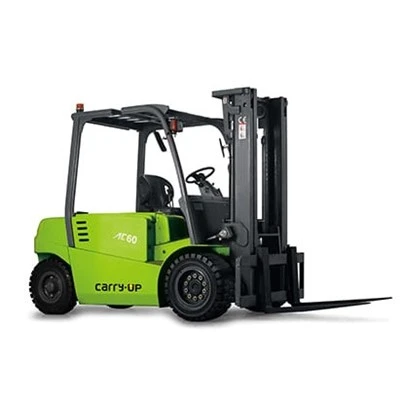
First, let’s get one thing straight: most stacker performance problems boil down to three core parts: the battery, the motor, and the hydraulics. 90% of the time, tweaking these will turn a clunky, underperforming machine into a workhorse again. Let’s start with the biggest culprit—batteries. I see so many companies ignoring their batteries until they’re dead in the water, but this is actually the easiest upgrade (and sometimes the cheapest) to nail.
If your stacker is lead-acid (the old-school, big, heavy ones), you’ve probably noticed it runs for less than a full shift now, especially in winter. Lead-acid batteries lose capacity over time—sulfation builds up on the plates, making ’em hold less charge. A lot of people just replace the battery with the same lead-acid unit, but trust me, switching to a lithium-ion battery is a game-changer. Here’s why: lithium-ion doesn’t sulfates, so it keeps 80% of its capacity for way longer (like 5+ years vs. 2-3 for lead-acid). It also charges in 1-2 hours instead of 8, no watering needed (say goodbye to messy battery rooms), and it’s lighter, which actually improves the stacker’s maneuverability. Wait, I know what you’re thinking—“but lithium is more expensive upfront?” Yeah, but do the math: you’ll save on replacement costs, labor for maintenance, and downtime. A few of my clients swapped their lead-acid for lithium and cut their battery-related issues by 70% in the first year. Just make sure you get a lithium battery that’s matched to your stacker’s voltage (most are 24V) and has the right amp-hour rating—don’t just grab the biggest one, or you’ll waste space and cash.
Next up, the motor. If your stacker is sluggish when lifting heavy pallets or struggling to go up small ramps, your motor’s probably underperforming. A lot of older stackers have brushed DC motors, which are simple but wear out fast—brushes get worn, reducing power output. Upgrading to a brushless DC (BLDC) motor is a solid move here. BLDC motors are more efficient, put out consistent torque across the whole speed range, and have fewer moving parts so they last longer. I recently worked with a client who had a 2018 stacker that could barely lift a 3,000lb pallet up to 6ft. Swapping the brushed motor for a BLDC motor from our workshop? Now it lifts 3,500lb no problem, and runs 15% longer on a single charge. The install is straightforward too—most BLDC motors fit into the same mounting space as old brushed ones, so you don’t have to modify the frame. Just a heads up: make sure your motor controller can handle the new motor’s specs, or you’ll need to upgrade that too (more on that in a sec).
Speaking of motor controllers, that’s the unsung hero of stacker performance. The controller is like the brain that tells the motor how much power to send. Old controllers are basic—they just turn power on/off, which leads to jerky movements and wasted energy. Upgrading to a smart controller lets you tune the acceleration, speed, and torque to match your exact needs. For example, if you’re mostly moving pallets indoors, you can crank up the torque for quick lifts. If you’re working in a tight warehouse aisle, you can lower the top speed to make the machine more maneuverable, but keep acceleration snappy. Some smart controllers even have built-in diagnostics, so you’ll get alerts before something breaks, which cuts down on unplanned downtime. I always tell clients: if you’re upgrading the motor or battery, pair it with a new controller—they work way better together.
Now, let’s talk hydraulics, because if your stacker is slow to lift or the forks sag when holding a load, that’s usually a hydraulic issue. First, check the hydraulic oil—old, dirty oil can clog the lines and make the pump work harder. A simple oil flush and filter change can make a huge difference. If that doesn’t fix it, you might need to upgrade the hydraulic pump. Old gear pumps are common in entry-level stackers, but swapping in a vane pump will give you smoother, faster lifting, especially with heavy loads. Vane pumps are quieter too, which is a nice bonus for indoor spaces where noise is a problem. Another thing: some stackers have adjustable lift speed settings—if yours doesn’t, you can often tweak the hydraulic valve to adjust the flow, making lifting faster without straining the pump. I’ve seen clients do this on a $50 part and cut their lift time by 20%—total no-brainer.
Wait, let’s not forget about the small stuff that people sleep on—tires and brakes. If your stacker has hard rubber tires, they’re gonna wear down fast, especially on rough concrete, which makes the machine less stable and more sluggish. Swapping to polyurethane tires (or pneumatic if you’re working outdoors) gives better traction, reduces vibration, and makes the stacker glide easier. That alone can make it feel way more responsive, like you upgraded the whole thing. And brakes—if your brakes are grabbing or not engaging smoothly, that’s a safety issue, but it also makes the operator drive slower, which kills productivity. A brake adjustment or pad replacement is cheap, but it makes a massive difference in how the machine feels to use.
Now, let’s get real about when to call it quits and just replace. I’ve had clients come to me with 10-year-old stackers that are falling apart—frame is bent, forks are warped, and every upgrade would cost almost as much as a new one. A good rule of thumb: if your stacker is over 15 years old, and you’re having to replace parts every 6 months, it’s probably time to weigh the cost of upgrades vs. a new machine. But if it’s 5-10 years old, has a solid frame, and the only issues are battery, motor, hydraulics, it’s 100% worth upgrading.
Let me throw in a quick example to make this concrete. Last year, a 3PL client with 5 old stackers came to me. Their main issues: 1) Lead-acid batteries died mid-shift, 2) Sluggish lifts, 3) Slow travel speed. We upgraded each stacker with lithium-ion batteries ($1,800 each), BLDC motors ($1,200 each), and hydraulic flushes ($200 each). Total cost per stacker: ~$3,200. A new entry-level stacker would’ve cost them ~$18k each. In 6 months, they saved $12k on battery replacements and labor, and their productivity went up 25% because operators could move more pallets per hour. That’s a no-brainer, right?
Now, a few pro tips from someone who’s been doing this for years. First, always get a professional to do the electrical work—batteries and motors run on high voltage, and messing that up can be dangerous. Second, don’t skip the diagnostics. Before you start upgrading, have a tech check your stacker’s current specs (voltage, amp-hour ratings, motor size) so you don’t buy parts that don’t fit. Third, think about future needs. If you’re planning to take on heavier loads next year, upgrade your motor and hydraulic pump now so you don’t have to do it again later.
Look, I get it—fleet management is about keeping costs low while keeping operations running smooth. Brand-new electric stackers are great, but they’re a huge expense that ties up capital. Upgrading your existing machine is smart, cost-effective, and often gives you performance that’s almost as good as new.
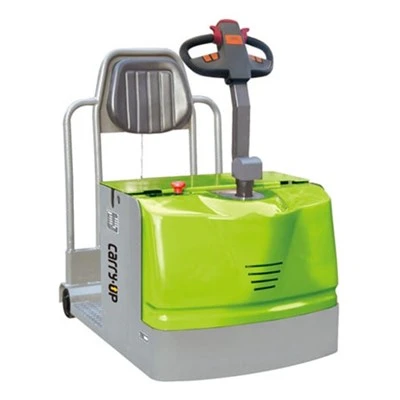
If you’ve got an old stacker that’s underperforming, or you want to talk through which upgrades make the most sense for your specific fleet, I’m here to help. We’ve helped hundreds of companies get more out of their existing stackers, and we can give you a custom quote tailored to your machine and your needs. Don’t waste another day dealing with a slow, unreliable stacker—reach out to us, and we’ll get your machines running like new.
Hand Pallet Trucks References:
- Material Handling Industry Association. (2022). "Electric Lift Truck Performance Upgrades: Cost-Benefit Analysis." MHIA Technical Bulletin.
- Lithium Battery Council. (2023). "Lithium-Ion vs. Lead-Acid Batteries for Industrial Equipment." Industry Whitepaper.
- International Society of Logistics. (2021). "Hydraulic System Optimization for Material Handling Equipment." SOL Technical Report.
- Electric Drive Transportation Association. (2022). "Brushless DC Motors for Industrial Lift Equipment: Efficiency and Longevity." EDTA Research Paper.
Hangzhou Carry Equipment Co., Ltd.
Hangzhou Carry Equipment Co., Ltd. is one of the most professional electric stackers manufacturers and suppliers in China, also supports customized service. Please feel free to buy advanced electric stackers for sale here and get quotation from our factory. For price consultation, contact us.
Address: No.360 Tongxiang Rd., Yinzhou Economic Development Zone, Yinzhou Dist., Ningbo, China
E-mail: Sales@carryupmhe.com
WebSite: https://www.carrymhe.com/
