If you’ve ever stared at a colorful action figure, a squishy stress ball, or a tiny kitchen set for a kid, you’ve probably wondered: what is that toy actually made of? As a plastic toy parts supplier, I get this question all the time—from small boutique toy designers scaling their first line to big box brands updating their sustainability playbook. Plastics are the backbone of modern toys, and choosing the right type isn’t just about getting the right color or flexibility; it’s about child safety, durability, cost, and end-of-life recyclability. Over the 12 years I’ve been in this business, I’ve worked with nearly every major plastic used in toy parts, learning firsthand how each material behaves on the production floor and how it holds up in a kid’s messy, joyful hands. Plastic Toy Parts
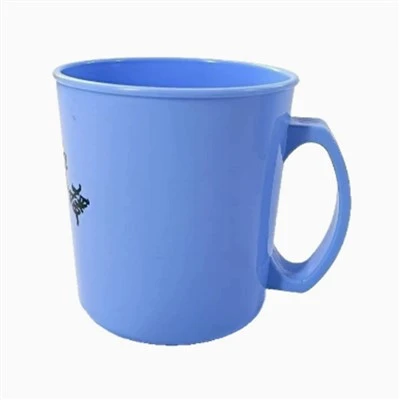
Let’s start with the most common plastic in toys, and in fact, the most produced plastic on the planet: polyethylene, or PE. It’s split into two main types for toy use: low-density polyethylene (LDPE) and high-density polyethylene (HDPE). LDPE is the squishy, flexible stuff you know from plastic dinosaurs that bend without breaking, rubbery toy hinges, and squeeze bottles that hold tiny soapy water or bubble solution. It’s lightweight, cheap to mold, and has excellent resistance to impact—critical for toys that get dropped off couches, stepped on, or stuffed into overstuffed backpacks regularly. I remember a client a few years back making a line of preschooler bath toys; they initially tried HDPE, which was too rigid and hurt little ones’ sensitive skin when they grabbed it. Swapping to LDPE cut down on customer complaints and made their line a top seller at national retailers. HDPE, on the other hand, is stiffer, stronger, and used for parts that need to hold their shape: toy car bodies, building brick bases, and the hard plastic frames of playsets like doll houses. It’s also food-safe, which is why it’s often used for parts that come into contact with snacks or drinks—think the little plates and cups for pretend tea parties. The downside? HDPE isn’t as flexible, so it’s never used for things that need to bend, and while it’s recyclable, it’s not as easy to mold into complex, tiny shapes as some other plastics.
Next up is polypropylene (PP), which is often confused with PE but has a whole set of unique properties that make it a go-to for so many toy parts. PP is stiffer than LDPE, more flexible than HDPE, and has high heat resistance—important for toys that might get cleaned in a dishwasher (yes, even kids’ toys) or exposed to warm sunlight on a playground. It’s also resistant to chemicals, so it doesn’t leach when it comes into contact with things like crayons, markers, or even the occasional sticky juice spill. I use PP a lot for small, intricate parts: the gears in wind-up toy cars, the buttons on electronic learning toys, and the snap-together connectors for building sets. It’s also the plastic used for most take-apart toys, because the snap-fit parts hold tight when a kid twists or pulls them, but can still be taken apart for adult assembly or inspection. One of the biggest benefits of PP for modern toy brands is that it’s often compatible with recycled content. A few years ago, I worked with a client who wanted to launch a line of eco-friendly toy trucks; we swapped 30% of the virgin PP in the truck bodies for post-consumer recycled PP, and the trucks still passed all safety and durability tests without a single complaint. The biggest challenge with PP is that it can be trickier to print or paint on, so most toy makers add a thin coating or use in-mold labeling to get graphics to stick, an extra step I help them navigate.
Then there’s acrylonitrile butadiene styrene (ABS), the workhorse plastic for durable, high-impact toy parts that need a polished finish. ABS is rigid, strong, and has a slight flexibility that makes it resistant to shattering—perfect for action figures that get thrown across rooms, the shells of RC cars, and the outer bodies of large playsets like monster trucks. It can be molded into extremely detailed shapes, which is why it’s the go-to for licensed toys that need to match a movie or video game character exactly—think the perfect sculpted heads of Marvel action figures or the body of a Minecraft Creeper toy. ABS has a smooth, glossy finish that looks great right out of the mold, so it doesn’t need extra coating for most applications, and it can be glued or welded together easily, which is ideal for assembling larger toy structures. That said, ABS isn’t the most eco-friendly option; it’s made from petroleum, and while it’s recyclable, it’s harder to process than PE or PP. For that reason, I’ve seen more clients in recent years switching to recycled ABS for parts that don’t require the highest level of flexibility, though it’s still the top choice for heavy-duty, detailed toy components.
One plastic that’s grown a lot in popularity for toys in the last decade is polystyrene (PS), though most people know it by its two forms: rigid PS and expanded polystyrene (EPS). Rigid PS is the hard, brittle plastic used for things like toy piano keys, small figurines, and the inner frames of some board games. It’s cheap to produce, easy to mold, and has a smooth finish, but it’s very brittle—drop a toy made of rigid PS, and it will chip or crack, which is why it’s only used for parts that don’t take a lot of impact. EPS, on the other hand, is the foam polystyrene you might know as packing peanuts, and while it’s not used for main toy parts, it’s often used as a protective inner lining for toy shipments, though many toy brands are moving away from EPS due to its difficulty to recycle. More recently, a modified version of PS called high-impact polystyrene (HIPS) has emerged, which is stronger and less brittle than standard PS. HIPS is used for things like the cases of board games, toy storage bins, and the backs of electronic toys, giving it a slightly better balance of cost and durability.
For toys that need to be transparent or have special safety properties, we turn to polycarbonate (PC) and nylon. Polycarbonate is an extremely tough, shatter-resistant clear plastic, perfect for things like the windows of toy cars, the lenses of binocular toys, and the screens of early learning tablets for kids. It’s also heat-resistant, so it can withstand being left in a hot car, which is a huge plus for outdoor toys. The downside of PC is that it was once linked to bisphenol A (BPA), a chemical that was a concern for children’s safety. Modern PC is BPA-free, though, and I work with suppliers that only use food-grade, BPA-free PC for all my toy parts to ensure full compliance with global safety standards like ASTM and EN 71. Nylon, also called polyamide, is a strong, flexible plastic used for small, high-stress parts that need to resist wear: the wheels of toy trains, the gears in complex mechanical toys, and the hinges of heavy-duty playsets. It’s lightweight, has excellent friction resistance, so it doesn’t wear down even after thousands of uses, and it can be molded into tiny, precise shapes, which is why it’s ideal for parts that move or bear weight. I recently worked on a line of wooden train sets with plastic wheels that are 100% nylon; after testing, we found they lasted 3x longer than standard plastic wheels, so the client switched to nylon across their entire line.
Now, I’d be remiss if I didn’t talk about the plastics that are on the rise, as more toy brands shift toward sustainable, eco-friendly materials. Bioplastics, made from renewable resources like corn starch or sugarcane, are becoming more common for toy parts that don’t need extreme durability. PLA (polylactic acid) is the most common bioplastic, used for things like disposable toy parts, puzzle pieces, and even some action figure accessories. It’s biodegradable under industrial composting conditions, which appeals to brands looking to reduce their carbon footprint, though it’s not as strong as PP or ABS, so it’s not suitable for heavy-use toys. Another emerging plastic is recycled polyethylene terephthalate (rPET), made from recycled plastic bottles. It’s strong, lightweight, and has a clear finish, so it’s used for things like the windows of doll houses, the cases of card games, and the parts of outdoor toys. A few years ago, I helped a client launch a line of board games using 100% rPET for their game box and cards; it passed all safety tests, and the brand saw a 15% increase in sales from eco-conscious buyers.
As a plastic toy parts supplier, my job isn’t just to provide parts—it’s to help brands choose the right plastic for their specific needs, balancing safety, cost, durability, and sustainability. Over the years, I’ve seen too many brands choose a plastic that looks cheap but doesn’t hold up, leading to returns and bad reviews, or choose an eco-friendly plastic that ends up being too weak for a kid’s use. I work with every brand closely, starting with understanding their target age group (a toy for a 1-year-old has different needs than one for a 10-year-old), the parts they’re molding, their budget, and their sustainability goals, to recommend the best material for the job. I also stay up to date on the latest safety standards, because compliance is non-negotiable in the toy industry. Every plastic I source is tested for heavy metals, phthalates, BPA, and other harmful chemicals, to make sure the final toy is safe for kids to chew, grab, and play with.
If you’re a toy designer, brand owner, or someone looking to source high-quality plastic toy parts, I’d love to talk through your project with you. Whether you’re launching a new line, updating an existing product, or looking to switch to more sustainable materials, I have the experience and supply network to help you find the right solution for your needs. Don’t hesitate to reach out to discuss your requirements and get a quote tailored to your project.
Plastic Stationery Parts References
ASTM International. (2022). Standard Consumer Safety Specification for Toy Safety.
European Committee for Standardization. (2021). EN 71 Safety of Toys.
Plastic Toy Parts Manufacturers Association. (2023). Material Selection Guide for Children’s Toys.
U.S. Consumer Product Safety Commission. (2022). Toy Material Safety Standards.
Yongkang Shunjiang Plastic Products Co., Ltd.
As one of the most professional plastic toy parts manufacturers and suppliers in China, we offer a wide range of products with superior quality. Please feel free to wholesale bulk customized plastic toy parts from our factory. Also, pricelist is available.
Address: Kangzhuang Road, Xicheng Subdistrict, Yongkang City, Zhejiang Province, China
E-mail: 15158911623@163.com
WebSite: https://www.shunjiangplas.com/
