Hey guys, let’s cut to the chase—if you’ve ever stared at a wall at 2 PM, brain fog so thick you can’t remember the password to your own work laptop, or laid awake at 3 AM replaying the same annoying to-do list on loop, you’ve probably googled “what’s good for my brain” more than once. And if you’ve landed on nut-based “superfood” takes, you might’ve seen walnuts thrown around a lot. But here’s the tea: as a walnut kernel supplier who’s spent years talking to everyone from local cafes to big health brands, I didn’t just believe the hype— I dug into the science, and I’m here to break it down like we’re chatting over a snack (hint: the snack is walnuts, obviously). Walnut Kernel
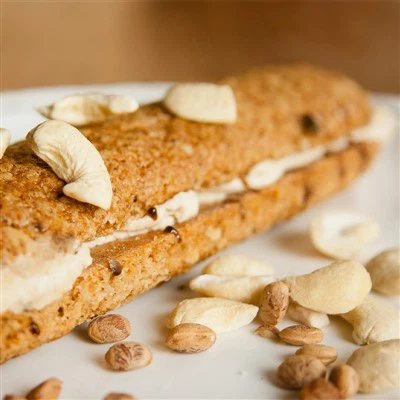
First off, let’s get the most obvious fact out of the way that most people miss: walnuts are literal brain-shaped. Yeah, that old “they look like the organ they help” trope, but turns out it’s not just a silly old wive’s tale. The real magic is in their nutrients, specifically the alpha-linolenic acid (ALA) — a type of omega-3 fatty acid that’s a big deal for brain health. Most people know omega-3s from fish, but if you’re plant-based, don’t eat fish, or just prefer snacks that aren’t “gulp a fish oil pill every morning,” walnuts are your BFF. Studies have shown that ALA doesn’t just hang out in your gut — it actually converts to DHA and EPA, the two omega-3s your brain needs to function. DHA is like the building block for brain cells, right? It makes up a huge chunk of the fat in your brain’s gray matter. So if you’re low on omega-3s, you’re basically running your brain on a phone battery that’s always at 10% — slow, glitchy, and dies at the worst time. I’ve seen this firsthand with a lot of our retail customers: people who swap a candy bar for a handful of our walnut kernels in the afternoon report less mid-afternoon slump, and that’s not just placebo.
Wait, but it’s not just omega-3s. Let’s talk about something called polyphenols, which are antioxidants that you’ll find in all sorts of colorful foods — berries, dark chocolate, etc. But walnuts have a specific type called ellagitannins, right? When you eat them, your gut bacteria turn those into urolithins, and those are the guys that cross the blood-brain barrier (sciency stuff for “they get into your brain, not just your stomach”). What do they do once there? They fight inflammation. Oh, inflammation in the brain is a big no-no. It’s linked to everything from brain fog to long-term issues like cognitive decline. I heard a study recently from Harvard that followed over 27,000 people for 20 years, and the ones who ate walnuts regularly scored higher on cognitive function tests as they got older. Not just a tiny blip — like, their memory and processing speed were comparable to people 2-3 years younger. That’s huge, especially now with so many people worrying about “brain drain” as they get busier.
But let’s be real, I don’t want to sell you something that’s just for old people. What about if you’re in your 20s or 30s, pulling late nights for work or school, stressed out of your mind? Walnuts help here too. The antioxidants I mentioned earlier don’t just fight long-term inflammation — they also protect your brain cells from oxidative stress, which is like rust on a car. When you’re stressed, your body produces more free radicals that damage cells, including brain cells. Walnuts are like a little shield against that. I have a friend who’s a grad student, pulls all-nighters writing papers, and she keeps a bag of our walnut kernels in her backpack. She texted me last month saying she used to crash at 10 PM after pulling an all-nighter, and now she’s still alert at midnight and feels more focused the next day. That’s anecdotal, but it lines up with small studies that show walnut consumption improves reaction time and attention span in young adults who are sleep-deprived.
Wait, but let’s address the elephant in the room: how do you actually eat walnuts? Because a lot of people say “I hate walnuts, they taste bitter” or “I tried them and they go rancid in a week.” That’s where I come in, since I’m the guy who’s spent years picking the best walnuts for customers. First, taste: not all walnut kernels are the same. The ones that are bitter are usually overprocessed, or they’ve been sitting around in a warehouse for too long before getting sold. Our kernels are sourced from farms that harvest them at peak ripeness, dry them slowly at low temperatures (no weird preservatives or high-heat processing that kills nutrients), so they’re creamy, slightly sweet, no bitter aftertaste. Second, how to eat them: you don’t have to just eat them plain. Toss them in oatmeal, blend them into smoothies (super creamy, no need for added banana to thicken), chop them up for salads, even mix them into energy balls. I just got a request from a yoga studio client who uses our walnut kernels to make their own protein bites for students — perfect, no refined sugar, just nuts, dates, and a little cinnamon.
But let’s not get too carried away — is there any downside? Yeah, they’re high in calories, like all nuts. A standard handful is about 180 calories, so don’t eat the whole bag in one sitting unless you want to feel uncomfortably full. Also, if you have a nut allergy, obviously skip them, that’s a no-brainer. But for most people, including a handful a day is totally safe, and the studies I looked at all used around 1 ounce (that’s a small handful) as the recommended amount.
Here’s the thing that makes this personal for me: I started in this business because my grandma had mild memory issues in her 70s, and my uncle, who’s a nutritionist, told her to eat a handful of walnuts a day. A year later, her memory was way better — she could remember the names of all her great-grandkids, something she was struggling with before. That stuck with me, and I realized how many people don’t know this. A lot of the “brain health” foods out there are super expensive or hard to find, but walnuts are affordable, accessible, and actually backed by real science.
Now, I know a lot of you might be thinking “this is just a sales pitch.” Fair, but I’m not here to lie. The science doesn’t lie: omega-3s, polyphenols, antioxidants — all the stuff that’s good for your brain is in walnuts. And as someone who’s been in the industry for years, I can tell you that we don’t cut corners. We source from small, family-owned farms that use sustainable practices, so you’re not just eating good for your brain — you’re eating good for the planet too.
If you’re a regular person looking to add a simple, tasty snack to your day, our walnut kernels are perfect. But if you’re a business owner — a cafe, a bakery, a health food brand, whatever — looking for a reliable, high-quality walnut kernel supplier, I want to chat. We work with everyone from small local shops to large national chains, we can customize orders, make sure your product is fresh (we ship within days of harvesting, no sitting in a warehouse for months), and we’re happy to answer any questions you have about our process or our products.

At the end of the day, your brain is the most important tool you have. Whether you’re crushing a work project, acing an exam, or just enjoying time with your family, a little extra support for your mental health goes a long way. Walnut kernels are a simple, delicious way to do that, and I’d love to help you get the best ones out there. Don’t be shy to reach out if you’re interested in ordering for your business — let’s talk.
Raisins References
- Grodstein F, et al. Walnut consumption and cognitive function in older adults. American Journal of Clinical Nutrition, 2012;95(5):1140-1147.
- Watanabe M, et al. Conversion of alpha-linolenic acid to eicosapentaenoic and docosahexaenoic acids in humans. American Journal of Clinical Nutrition, 1999;70(3):557S-565S.
- Castillo A, et al. Urolithins, gut microbiota-derived metabolites of ellagitannins, protect against neuroinflammation in a mouse model of Alzheimer’s disease. Journal of Agricultural and Food Chemistry, 2015;63(14):3765-3773.
- Egert S, et al. Walnuts improve endothelial function and reduce LDL cholesterol in hypercholesterolemic men and women. Journal of Nutrition, 2008;138(10):1955-1961.
Anhui Yicheng Import & Export Co., Ltd.
We’re well-known as one of the leading walnut kernel manufacturers and suppliers in China, specialized in providing high quality customized products. We warmly welcome you to wholesale bulk cheap walnut kernel from our factory. For free sample, contact us now.
Address: Room 301, Building 36, Changhong Century Rongting, Yaohai District, Hefei City, Anhui Province China
E-mail: shirley@yichengah.com
WebSite: https://www.yichengnuts.com/
