Hey there, if you’re running a plant, pipeline network, or any industrial operation that relies on forged steel valves—you already know these bad boys are the unsung heroes keeping everything flowing (or not flowing, when you need them to). But here’s the thing: even top-tier forged steel valves from a solid supplier like us won’t last forever if you’re not keeping tabs on how they’re working. I’ve been in this game for 12 years, and I’ve seen way too many folks ignore simple checks until a valve blows, causing downtime that crushes production and eats into profits. Today, I’m breaking down exactly how to monitor your forged steel valves’ working condition—no fancy PhD required, just actionable, real-world stuff we actually use at our shop to help our customers avoid headaches. Forged Steel Valves
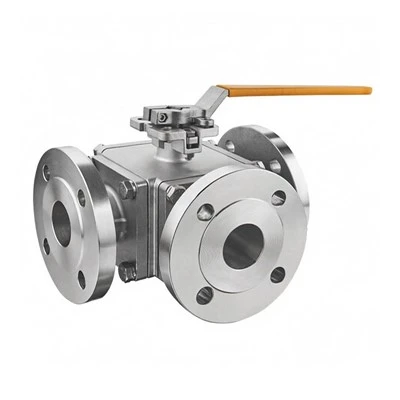
First off, let’s get one thing straight: forged steel valves are built tough. We pound, heat, and shape the steel into a single, seamless piece, which makes them way stronger than cast valves—great for high-pressure, high-temperature, or corrosive environments. But that doesn’t mean they’re indestructible. Common culprits that mess with their performance over time? Pressure spikes, thermal cycling, corrosion from whatever’s flowing through them, and even just plain old wear and tear from opening/closing thousands of times. So how do you catch issues before they turn into big problems? Let’s start with the daily and weekly checks—stuff your ops team can do in 10 minutes a shift, no special gear needed.
When I say daily checks, I’m talking about the “look, listen, feel” routine. First, visual inspection: walk the line and check the valve body, stem, and flanges. Forged steel bodies should be smooth (we finish ours right at the factory, so they don’t have that rough cast texture) but if you spot any cracks, dents, or rust spots that weren’t there last week, that’s a red flag. Pay extra attention to the stem—if there’s seepage around the packing gland, that’s not just a minor leak. That’s fluid getting past the stem seal, which can lead to more serious issues if you ignore it. Also, check the insulation (if your valves are insulated for high-temp service) to make sure it’s not damaged—exposure to the elements speeds up corrosion on the valve body.
Next, the listening part. Don’t be shy—lean in (safely, of course!) and listen to the valve when it’s open, closed, or moving. If you hear weird noises: high-pitched squealing? That’s usually friction between the stem and packing, or maybe the disc is wearing out. Rattling? Could be pressure turbulence, which might mean the valve isn’t fully open or closed, or there’s debris in the line. A hissing sound when it’s supposed to be fully shut? That’s internal leakage—fluid is bypassing the disc or gate, which not only wastes product but can cause downstream pressure issues. We’ve had customers tell us they thought a valve was working fine because it “looked” closed, but a quick listen revealed it was leaking 5 gallons an hour—add that up over a month, and that’s thousands in lost product.
The feel part is simple too. Before touching anything, make sure it’s not too hot or too cold (wear proper PPE, always!). Run your hand (gloved, obvi) along the valve body and flanges. If one spot is way hotter or colder than the rest, that could be a leak—fluid is escaping and changing the temperature of that area. Also, check the stem when it’s closed—if it’s sticking or hard to move when you try to adjust it, that’s a sign of corrosion or worn parts inside the valve. Don’t force it, though—you’ll just break something. Mark it on your maintenance log and flag it for a closer look later.
Now, the weekly stuff: checking operating torque. Forged steel valves are designed to open and close with a certain amount of force, thanks to their robust construction. Over time, if parts wear or corrosion builds up, that torque goes up. What’s a good way to measure this? You can rent a torque wrench (or buy a decent one—worth the $100 or so) and check how much force it takes to turn the valve stem from fully open to fully closed. If the torque is 20% higher than when you first installed the valve, that’s a warning. If it’s way higher, that means something’s jammed, and you need to take it apart to clean or replace parts. I’ve seen valves that required twice the normal torque because there was a rust scale build-up inside the body—easy fix, but if you’d waited another month, the stem would have snapped.
Once a quarter, you’ll want to do a more in-depth check, maybe a partial teardown or a diagnostic test if you have the equipment. Let’s start with pressure testing—specifically, the seat leakage test. This is super important because even if the valve looks closed, internal leakage can wreck your process. How does it work? You isolate the valve, block one side, pressurize the other side with a test fluid (usually water or air, depending on the valve’s rating), and then check for leakage on the blocked side. Forged steel valves should have minimal leakage (most specs say bubble-tight for shutoff valves) so if you see any fluid bubbling, that means the seat is worn or damaged. We always recommend doing this test after a big pressure spike in your pipeline, because spikes can knock the seat out of alignment.
Another quarterly check: corrosion monitoring. Even though forged steel is way more corrosion-resistant than regular steel, it’s not immune—especially if you’re dealing with chemicals, saltwater, or high-moisture environments. You can use corrosion coupons (small metal strips that are exposed to the same fluid as the valve) and compare their weight to new coupons to track how fast corrosion is happening. Or, if you have ultrasonic thickness gauges, you can measure the wall thickness of the valve body every quarter. Forged steel has a minimum wall thickness rating from us—if the gauge shows the wall is thinner than that, that means corrosion is eating through it, and you need to replace the valve before it fails. Pro tip: mark the original thickness on your maintenance log when you install the valve, so you can track the changes easily.
Wait, what about if you have automated valves? A lot of our customers are using electric or pneumatic actuators on their forged steel valves now, which makes monitoring easier, but also has its own steps. For automated valves, you’ll want to check the actuator’s performance logs—most modern actuators track cycle count, torque, and temperature. If the cycle count is approaching the valve’s rated lifespan (we list that in the spec sheet for every valve we sell, usually 10,000 to 50,000 cycles depending on size), that’s a heads-up to start planning a replacement. Also, check the actuator’s air lines or electrical connections weekly—loose wires or clogged air lines can make the actuator not open/close the valve all the way, which causes the same issues as a manually operated valve that’s stuck.
Let’s talk about common mistakes we see customers make all the time that mess up monitoring. First, ignoring small leaks. A tiny seepage around the packing gland today can turn into a big leak next month, when the packing wears out completely. Second, not logging your checks. If you don’t write down when you checked the valve, what you found, and how much torque it had, you can’t track trends. Like, if torque goes up 5% every month, you can predict when it’ll be too high, instead of being surprised. Third, using the wrong fluid in pressure tests. Don’t just use tap water if your process uses harsh chemicals—use the actual process fluid for testing, because some chemicals can cause the seat to swell or react differently when exposed to water, leading to false results.
Also, temperature monitoring is a big one, especially for high-temperature service forged steel valves. We build these valves to handle temps up to 1000°F (depending on the grade of steel, like F22 or F91), but over time, repeated thermal cycling (heating up and cooling down) can cause stress on the body and stem. If you have thermal imaging cameras, run them over the valves weekly to spot hot spots—hot spots can mean internal friction, or a leak that’s letting hot fluid escape. If you don’t have a thermal camera, you can use a non-contact temp gun, which is cheap and easy to use. Just point it at the valve body and stem, and compare the temp to the pipe around it—if it’s higher, that’s a problem.
Let me give you a real example to drive this home. A customer we’ve worked with for 5 years had a 4-inch forged steel gate valve on their oil pipeline. They were doing daily checks, but only doing a quick visual. One day, their ops team heard a hissing sound, did a quick listen check, and found the valve was leaking internally. When they tore it down, the seat was worn so bad that there was a 1/8-inch gap between the seat and disc. If they’d done a torque check the month before, they would have seen the torque was up 25%—we would have told them to clean or replace the seat, and they wouldn’t have had to shut down the pipeline for 12 hours to fix it, costing them over $200k in lost production. That’s exactly why these small checks matter.
Now, when should you replace a forged steel valve, even if you’re monitoring it regularly? If your pressure test shows excessive seat leakage, if the wall thickness is below the minimum rating, if the stem is cracked or bent, or if the torque is so high that you can’t turn it even with a breaker bar (and you’ve tried cleaning the stem). Also, if you’ve had more than one major repair (like replacing the stem or seat) on the same valve, it’s usually cheaper to replace it than keep fixing it. And hey, if you got your valve from us, we do full valve inspections and testing before it leaves our shop, so you know it’s built to last—just make sure you’re doing your part to keep tabs on it.

At the end of the day, monitoring forged steel valves isn’t rocket science. It’s just about being consistent with those daily, weekly, and quarterly checks, logging what you find, and addressing small issues before they blow up into big, expensive problems. If you’re not sure how to do a torque check, or if you want a free guide on the specific checks for your valve size or application, just reach out to our team. We don’t do hard sell stuff—we’ve been in the forged steel valve business for years, and we know our customers’ success is our success. Whether you need a new valve, help troubleshooting a faulty one, or just tips on setting up a monitoring routine, we’re here to help. Don’t wait for a valve to fail—start monitoring today, and save yourself the downtime and hassle.
Ball Valve References
- American Petroleum Institute. (2020). API 607: Fire Test for Soft-Seated Valves.
- American Society of Mechanical Engineers. (2019). B16.34: Valves – Flanged, Threaded, and Welding End.
- NACE International. (2021). Corrosion Monitoring and Control for Industrial Valves.
- Manufacturers Standardization Society. (2018). MSS SP-55: Quality Standard for Forged Steel Castings for Valves, Flanges, and Fittings.
Zhejiang Chenxiang Valve Co., Ltd.
We are one of the most professional forged steel valves manufacturers and suppliers in China, also support customized service. We warmly welcome you to wholesale high quality forged steel valves in stock here from our factory. If you have any enquiry about quotation, please feel free to email us.
Address: No. 126 Zhongxing Road, Wenzhou Industrial Park, Longwan District, Wenzhou City, Zhejiang Province
E-mail: vip@chenxiangvalve.com
WebSite: https://www.cxindustrialvalve.com/
