Hey there! If you own or run a pet grooming salon, you’ve probably spent way too much time stressing over water. Like, when your best groomer yells from the back that the bath water’s lukewarm mid-coat trim, or you’re going through 20-30 gallons (easy!) of hot water a day to bathe dogs big and small—you know that panic. I work with commercial water heaters every single day, and one question I get more than any other is: Can one of these bad boys actually work in a pet grooming salon? Commercial Water Heater
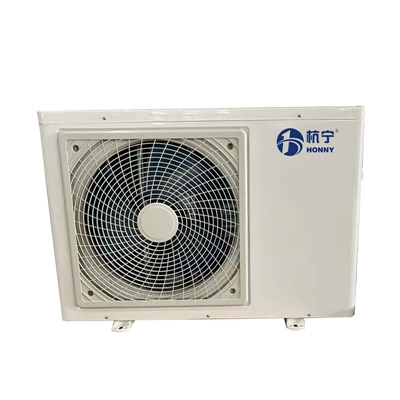
Spoiler alert: Yeah, it can. But there’s a right way to do it, and a bunch of common mistakes salon owners make when they first dip their toes (pun totally intended) into upgrading their hot water setup. Let me break this down like I would for a new small business owner who’s trying to avoid wasting money on a heater that’s either too weak or way overkill.
First, let’s talk about why a typical home water heater is a disaster for a grooming salon. I see this all the time: A groomer buys a 50-gallon residential heater because it seems cheap, and by week three, it’s broken. Why? Because home heaters are built for, like, two showers a day. A single medium-sized dog bath uses 10-15 gallons of hot water, right? And if you have three bath stations, plus a sink for cleaning brushes and tools, plus maybe a tiny sink for small pets… that’s 30-50 gallons of hot water in an hour, minimum. A residential heater can’t keep up—it’ll drop the temperature from 120°F to 90°F mid-bath, and suddenly you’re stuck with a shivering golden retriever and a very unhappy client.
Commercial water heaters, on the other hand? They’re built for consistent, high-demand use. Let’s get into the specs that matter for a salon, not the boring sales jargon. First, recovery rate. That’s how fast the heater can heat cold water back to your set temperature after you use a bunch. For a salon, you want a recovery rate of at least 50 gallons per hour (GPH) but honestly, 75-100 GPH is way safer. I had a customer last year who ran a salon with four bath stations, and he tried a 50 GPH commercial heater at first. It worked for small dogs, but when a Great Dane came in, that recovery rate was garbage—he had to wait 20 minutes between baths for the water to heat back up. Switched to a 100 GPH unit, and now he can bathe two big dogs back-to-back without missing a beat.
Then there’s first-hour rating (FHR), which is basically how much hot water you can get in a single hour before the heater can’t keep up. For most small to mid-sized salons (1-3 groomers), an FHR of 75-100 gallons is perfect. If you have a busy spot with six groomers and back-to-back appointments, go for 150+ gallons. Don’t overdo it, though—if you buy a 300-gallon unit for a one-groom salon, you’re wasting money on energy you don’t need. That’s the mistake so many people make: they think bigger is always better, but commercial water heaters use way more energy to run if they’re not sized right for your actual use.
Now, let’s talk about the non-numeric stuff, because that’s where a lot of salons mess up too. First, temperature control. Grooming water needs to be around 100-102°F, right? That’s warm enough to get oil and dirt out, but not hot enough to burn a skittish pup or dry out their skin. Commercial units let you lock the temperature, which is a game-changer. No more part-time groomers cranking the water to 120°F for their own coffee and then you getting a call from a client saying their dog came out with red paws. I’ve had so many groomers tell me this alone is worth upgrading—no more accidental burns, way less time adjusting the tap between dogs.
Next, durability. Pet grooming is messy. There’s fur clogging drains, water splashing everywhere, chemical fumes from shampoos (wait—does that affect water heaters? A little, actually. The sulfur in some shampoos can corrode residential heaters over time because they don’t have the same protective liners commercial ones do. Commercial units use heavier-duty anode rods and corrosion-resistant tanks, so they’ll last 10-15 years, not 5-7 like a residential one. That’s a huge long-term win. I had a groomer last month who replaced his third residential heater in two years—switched to commercial, and it’s been running strong for three years now, with no rust or leaks. That saves him thousands in repair and replacement costs.
Wait, but what about gas vs. electric? That’s another big question. If your salon has a natural gas line already, gas is way cheaper to run—like, half the cost of electric for hot water. But if you’re in a small space or don’t have gas, electric commercial units work, too. Just make sure you check your electrical panel—you might need an upgrade, which is usually cheaper than running a new gas line, depending on where you are. I always tell customers to calculate their monthly hot water cost first: if you’re spending $150 a month on electric hot water, a commercial gas heater will cut that to $70-$80, so it pays for itself in a year or two.
Now, let’s get to the tricky part: installation. Even if you get the right commercial water heater, if it’s installed wrong, it won’t work for your salon. A lot of plumbers (even “commercial” ones) don’t know the unique needs of grooming spaces. For example, you need proper venting for gas units—grooming salons have high humidity, so bad venting can lead to mold, which is not great for you, your groomers, or the pets. Also, you might need to install a recirculating pump? Wait, no—wait, let’s clarify: recirculating pumps keep hot water moving through the lines so you don’t have to wait 30 seconds for hot water to come out of the tap. That’s a massive time-saver. Groomers don’t have time to stand around waiting for water to warm up between appointments—every second counts. I recommend adding a recirculating pump with a timer so it only runs when you need it (like during business hours) to save energy overnight. It’s a $200 add-on that will pay for itself in wasted water alone—no more running the tap for 10 seconds just to get hot water.
Wait, let’s address the common “but commercial is expensive” complaint. Yeah, upfront it’s more than a residential heater, but let’s do the math. A good residential heater is $500-$800, lasts 5 years. A commercial heater that’s sized right for your salon is $1,500-$3,000, lasts 12-15 years. That’s way cheaper per year. Plus, commercial units have way better energy efficiency—Energy Star rated commercial water heaters use 20-30% less energy than residential ones. And remember those repair costs? A residential heater might need a $300 repair every year or two, while commercial ones have longer warranties (most come with 6-10 year tank warranties, vs. 3-6 for residential). I once had a customer who spent $1,200 on a residential heater and $800 in repairs in three years—total $2,000, and it died. He switched to a commercial heater for $2,200, and three years later hasn’t spent a dime on repairs. That’s a no-brainer.
But wait, is there any case where a commercial water heater isn’t the right call? Sure. If you’re a tiny, part-time groomer who only bathes 2-3 dogs a week, a residential heater might be fine. But if you’re running a full-time salon, even a small one (10+ dogs a day), commercial is the way to go. I’ve had a few customers who tried to “make do” with residential heaters, and they all end up calling me within 6 months saying they need to upgrade. The biggest red flags they mention: running out of hot water mid-bath, high energy bills, frequent leaks, unhappy groomers and clients.
Another thing I see people miss: water pressure. Grooming stations need consistent water pressure to get fur clean—low pressure means you’re spraying water and shampoo for twice as long, which uses more hot water and takes more time. Commercial water heaters work great with salon-grade pressure regulators, so you can keep pressure steady even when multiple taps are running. No more weak spray when someone’s rinsing a Great Dane and someone else is filling a tub for a poodle.
Wait, let’s talk about real-world examples, because I hate giving generic advice. Last year, I worked with a salon in Chicago that had 3 groomers, 2 bath stations, and did about 40 dogs a day. They were using a 50-gallon residential heater, and every Saturday (their busiest day), they’d run out of hot water by 2pm. They tried flushing the heater, replacing the heating elements, even adding a small extra residential heater on the side—nothing worked. We sized them for a 100 GPH commercial gas heater, installed a recirculating pump, and within a week, they were able to bathe 12 more dogs a week without issues. Their energy bills dropped by $120 a month, and they no longer had to turn away last-minute Saturday appointments because of hot water problems. That’s a tangible win.
Another customer, a mobile groomer (wait, do mobile groomers use commercial water heaters? Yeah, portable commercial units!)—she uses a 50-gallon portable commercial water heater mounted in her van. She used to use a portable residential tank, but it only lasted 18 months and couldn’t keep up with big dogs. Switched to a portable commercial one, and it’s been going strong for 4 years, even with the rough road vibrations and frequent use. That’s another good use case—mobile groomers who need reliable, high-demand hot water on the go.
Now, let’s bust some myths. Myth 1: Commercial water heaters are too big for small salons. No—you size them based on your peak hot water use, not the size of your salon. A 1-groom salon that does 15 dogs a day might need a 75 GPH commercial heater, which is the same footprint as a large residential heater. It doesn’t take up way more space. Myth 2: They’re hard to maintain. Nope—most commercial units have simple, easy-to-access anode rods and drain valves, so you can flush them twice a year (just like residential) and change the anode every 3-5 years. We even send free maintenance checklists to all our customers, so it’s super easy. Myth 3: They use way more energy. No—they’re actually more efficient for high-demand use. Residential heaters have to reheat a full tank every few hours even if you don’t use much hot water, while commercial ones can modulate their output to match how much you’re using. So if you only use 20 gallons in an hour, they don’t heat 50 gallons—they just heat what you need.
Wait, what about safety? That’s huge for pet grooming. Commercial water heaters come with built-in temperature and pressure relief valves that are rated for higher demand, and many have freeze protection if your salon is in a cold area (a big one—no one wants a frozen pipe or a broken heater in the middle of winter). Also, as I mentioned earlier, they’re more resistant to corrosion from shampoos and grooming products, which means fewer leaks and less risk of water damage to your salon.
So, to wrap this up: Can a commercial water heater work in a pet grooming salon? Absolutely—and it’s almost always the better choice for full-time, busy salons. The key is sizing it correctly for your peak hot water use, getting the right type (gas vs. electric, portable if you’re mobile), and making sure it’s installed by a plumber who knows commercial and small business needs, not just residential homes.
If you’re tired of running out of hot water mid-bath, paying outrageous energy bills, or dealing with constant heater repairs, it’s worth the upgrade. We work with grooming salons of all sizes, from 1-groom home setups to large 10-station salons, to find the exact commercial water heater that fits their needs and budget. We don’t push the biggest unit just to make a sale—we calculate your average daily baths, number of stations, and local utility costs to get you something that works for years, not just months.
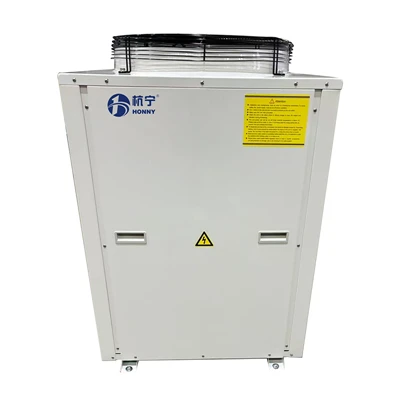
If you’re ready to stop stressing about hot water for your grooming salon, reach out to us to chat through your specific setup. We can answer all your questions, help you size the right unit, and even connect you to trusted plumbers in your area who specialize in commercial installs for small businesses. No generic sales pitches, no confusing jargon—just honest advice from people who work with commercial water heaters every day, and know exactly what grooming salons need to run smoothly.
Heat Pump Water Heater References
- U.S. Department of Energy: Energy Efficiency and Renewable Energy, Commercial Water Heater Specifications for Small Businesses
- Pet Industry Joint Advisory Council (PIJAC): Grooming Salon Operational Best Practices, Water Demand and Temperature Requirements
- International Association of Plumbing and Mechanical Officials (IAPMO): Commercial Water Heater Installation Standards for Small Commercial Spaces
Hangzhou Honny Heat Energy Technology Co., Ltd.
We are one of the most experienced commercial water heater manufacturers and suppliers in China. With a professional production team, we are able to meet the needs of the majority of our customers. Please feel free to wholesale customized commercial water heater from our factory. Also, quotation is available.
Address: Dingshan Village, Wenyan Subdistrict, Xiaoshan District, Hangzhou City, Zhejiang Province
E-mail: 524435406@qq.com
WebSite: https://www.hnrnkj.com/
