Hey there! I’m a supplier of corn processing equipment, and I often get asked about the heat dissipation requirements for this kind of machinery. So, I thought I’d share some insights on this topic. Corn Processing Equipment
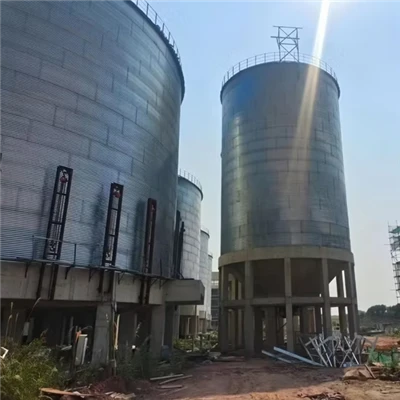
First off, let’s talk about why heat dissipation is such a big deal for corn processing equipment. You see, when we’re processing corn, these machines work pretty hard. They crush, grind, and mix the corn, and all these operations generate a whole lot of heat. If the heat isn’t properly dissipated, it can cause a bunch of problems.
One major issue is that excessive heat can damage the equipment itself. The high temperatures can warp metal parts, degrade lubricants, and even cause electrical components to malfunction. For example, in a corn grinder, the grinding discs are constantly in motion, and the friction between them and the corn generates heat. If the heat builds up too much, the discs can become misaligned or lose their sharpness, which means the grinding efficiency will drop, and you’ll end up with a lower – quality product.
Another problem is that the heat can affect the quality of the processed corn. Corn contains various nutrients and moisture. High temperatures can cause the moisture to evaporate unevenly, leading to changes in the texture and taste of the final product. In some cases, it can even cause the nutrients to break down, reducing the nutritional value of the processed corn.
So, what are the heat dissipation requirements for corn processing equipment? Well, it depends on a few factors.
1. Type of Equipment
Different types of corn processing equipment have different heat – generating mechanisms and thus different heat dissipation requirements.
-
Crushers and Grinders: These machines rely on mechanical force to break down the corn kernels. The friction between the moving parts and the corn generates a significant amount of heat. For a small – scale corn grinder, a simple air – cooling system might be sufficient. This usually involves having fans installed near the grinding chamber to blow away the hot air. But for large – scale industrial crushers, water – cooling systems are often necessary. Water has a high heat capacity, which means it can absorb a lot of heat without a large increase in temperature. A water – cooling jacket around the crushing chamber can effectively transfer the heat away from the machine.
-
Mixers and Blenders: When mixing corn with other ingredients, the mechanical agitation also generates heat. However, the heat generation is usually less intense compared to crushers and grinders. In most cases, natural convection or air – cooling through ventilation holes in the mixer housing can keep the temperature in check. But if the mixing process is continuous and high – speed, additional cooling measures might be needed.
2. Processing Capacity
The amount of corn being processed per unit of time also affects the heat dissipation requirements. Higher processing capacities mean more work is being done, and thus more heat is generated.
-
For a small – batch corn processing operation, say a local farm that processes a few tons of corn per day, the heat generated is relatively low. Air – cooling solutions with fans or louvers can work well. The equipment doesn’t need to work at full throttle all the time, so there’s enough time for the heat to dissipate between batches.
-
On the other hand, in a large – scale commercial corn processing plant where hundreds of tons of corn are processed daily, the heat load is much higher. These plants usually require complex cooling systems that combine water – cooling and air – cooling. For example, water can be circulated through pipes in the equipment to absorb the heat, and then the hot water can be cooled down in large cooling towers outside the plant. The cooled water is then recirculated back into the equipment.
3. Operating Environment
The environment in which the corn processing equipment is located also matters.
-
In a hot and humid climate, the natural heat dissipation process is less efficient because the air is already saturated with heat and moisture. In such cases, the equipment may need more powerful cooling systems. For instance, if an outdoor corn processing unit is operating in a tropical region, an air – conditioning unit might be required to cool the air around the equipment before it enters the cooling system. This ensures that the cooling air has a lower initial temperature and can absorb more heat from the equipment.
-
In a cold and dry climate, on the other hand, the equipment can rely more on natural heat dissipation. The cold air can easily carry away the heat from the machine. However, the cold temperatures can also cause problems such as the hardening of lubricants. So, the equipment still needs to have proper insulation and heating elements for the lubrication systems to keep them functioning properly.
Now, let’s look at some of the common heat dissipation methods used in corn processing equipment.
Air – Cooling
Air – cooling is one of the simplest and most cost – effective methods. It works by using fans to blow air over the hot parts of the equipment. The heat is transferred from the hot surfaces to the air, which then carries the heat away. There are two main types of air – cooling: forced – air cooling and natural – convection cooling.
-
Forced – Air Cooling: This involves using electric fans to actively move air through the equipment. The fans can be mounted on the sides or top of the equipment, and the air is directed towards the heat – generating components. For example, in a corn dryer, a large fan can be used to blow hot air through the corn, and at the same time, another set of fans can be used to cool the heating elements and other electrical components.
-
Natural – Convection Cooling: This method relies on the natural movement of air due to temperature differences. The hot air rises, and cooler air moves in to replace it. Many small – scale corn processing machines are designed with ventilation holes and channels to facilitate natural – convection cooling. This is a passive method, which means it doesn’t require additional power except for the heat generated by the machine itself.
Water – Cooling
Water – cooling is more efficient than air – cooling because water has a higher heat capacity. There are two main types of water – cooling systems: open – loop and closed – loop.
-
Open – Loop Water – Cooling System: In this system, water is taken from a water source, such as a river or a lake, and circulated through the equipment to absorb the heat. The hot water is then discharged back into the environment. This method is simple and cost – effective, but it can have an impact on the environment if the temperature of the discharged water is too high.
-
Closed – Loop Water – Cooling System: In a closed – loop system, the water is continuously circulated within the system. It absorbs heat from the equipment and then passes through a cooling tower or a heat exchanger, where the heat is transferred to the air or another cooling medium. The cooled water is then recirculated back into the equipment. This method is more environmentally friendly and can be more effective in maintaining a stable temperature for the equipment.
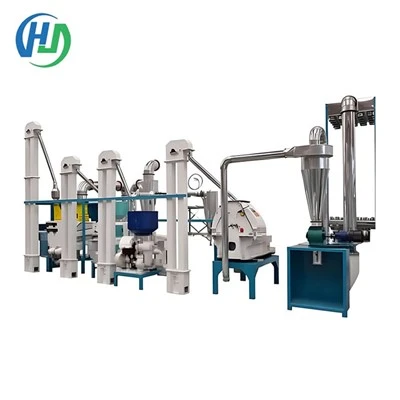
As a supplier of corn processing equipment, I understand how important it is to have a reliable heat dissipation system. That’s why our products are designed with carefully considered heat dissipation features. Whether you’re running a small – scale operation or a large – scale commercial plant, we’ve got the right equipment for you.
Grain Steel Silo If you’re interested in improving the heat dissipation of your existing corn processing equipment or are planning to purchase new equipment, don’t hesitate to reach out. We can provide you with professional advice and high – quality products that meet your specific needs. Let’s work together to ensure your corn processing operations are efficient and productive!
References
- "Industrial Machinery Heat Dissipation Handbook"
- "Corn Processing Technology and Equipment"
Henan Huinong Machinery Co., Ltd.
Henan Huinong Machinery Co., Ltd. is one of the most professional corn processing equipment manufacturers and suppliers in China, featured by quality products and low price. Please rest assured to buy discount corn processing equipment from our factory. We also accept customized orders.
Address: No. 6, Northeast Corner of the Intersection of Renmin Road and Zhujiang Road, New District, Huaxian County, Henan Province
E-mail: frank.tang@huinongmachinery.com
WebSite: https://www.huinongmachinery.com/
