When it comes to hair growth solutions, hair growth peptides have emerged as a promising option in recent years. As a hair growth peptide supplier, I often encounter the question: Does hair growth peptide require a prescription? In this blog post, I’ll delve into this topic, exploring the scientific aspects, regulatory status, and practical implications for consumers and potential buyers. Hair Growth Peptide

Understanding Hair Growth Peptides
Hair growth peptides are short chains of amino acids that play a crucial role in the hair growth cycle. They can stimulate hair follicle cells, promote blood circulation in the scalp, and enhance the production of keratin, the protein that makes up hair. Some well – known hair growth peptides include biotinoyl tripeptide – 1, which can help to strengthen hair and reduce hair loss, and copper peptides, which are known for their ability to improve hair follicle health and stimulate new hair growth.
The mechanism of action of hair growth peptides is based on their interaction with specific receptors on the surface of hair follicle cells. When these peptides bind to the receptors, they trigger a series of biochemical reactions that ultimately lead to the activation of hair follicles and the promotion of hair growth.
The Regulatory Landscape
The regulatory requirements for hair growth peptides vary from country to country. In the United States, the Food and Drug Administration (FDA) regulates drugs, cosmetics, and dietary supplements. Hair growth peptides can fall into different categories depending on their intended use.
If a hair growth peptide is marketed as a drug, meaning it is intended to diagnose, cure, mitigate, treat, or prevent disease, then it requires FDA approval, which is a complex and time – consuming process. For example, if a peptide is claimed to treat alopecia areata (an autoimmune disease that causes hair loss), it would be considered a drug. In this case, extensive clinical trials are required to prove its safety and efficacy, and a prescription from a licensed healthcare provider would be necessary for consumers to obtain it.
On the other hand, if a hair growth peptide is marketed as a cosmetic, it is used to enhance the appearance of hair rather than to treat a medical condition. Cosmetics do not require FDA approval before they are placed on the market. However, they must comply with certain safety regulations, such as not containing harmful substances. Many hair growth peptide products that claim to improve the appearance of hair, such as making it look thicker and more lustrous, are sold as cosmetics and do not require a prescription.
In the European Union, the situation is similar. The European Union has strict regulations for medicinal products, which require marketing authorization. Hair growth peptides intended for medicinal use need to go through a rigorous approval process, including clinical trials, and are only available with a prescription. Cosmetics, which are used for non – medicinal purposes, are regulated under the Cosmetic Products Regulation, and most hair growth peptide products sold as cosmetics can be purchased over – the – counter without a prescription.
Factors Influencing Prescription Requirements
Several factors influence whether a hair growth peptide requires a prescription:
Intended Use
As mentioned earlier, if the product is intended to treat a medical condition related to hair loss, it is more likely to be classified as a drug and require a prescription. For example, if a peptide is claimed to treat androgenetic alopecia (male or female pattern baldness) by targeting the hormonal and genetic factors involved, it will face stricter regulatory scrutiny.
Safety Profile
The safety of a hair growth peptide is a major consideration. If a peptide has potential side effects or interactions with other medications, it may be classified as a drug and require a prescription. For instance, some peptides may cause skin irritation, allergic reactions, or hormonal imbalances. In such cases, a healthcare provider’s supervision is necessary.
Efficacy Claims
The strength of the efficacy claims made for a hair growth peptide also affects its regulatory status. If a product claims to have a high – success rate in regrowing hair in a short period, it is more likely to be considered a drug. Cosmetic products are generally not allowed to make exaggerated claims about their ability to treat medical conditions.
Availability of Non – Prescription Hair Growth Peptides
There are many non – prescription hair growth peptide products available on the market. These products are often sold in the form of shampoos, conditioners, serums, and topical solutions. They are formulated with peptides that are considered safe for over – the – counter use and are intended to improve the overall health and appearance of hair.
Non – prescription hair growth peptides can be a convenient option for consumers who want to try a natural and relatively safe way to enhance their hair growth. They can be purchased online or in beauty stores without the need to visit a doctor. However, it’s important to note that the effectiveness of these products may vary, and consumers should manage their expectations.
The Role of a Supplier
As a hair growth peptide supplier, I play an important role in ensuring the quality and compliance of the products I offer. I work closely with manufacturers to source high – quality peptides that meet the relevant safety and regulatory standards.
For non – prescription products, I provide detailed information about the ingredients, usage instructions, and potential benefits to consumers and retailers. I also stay updated on the latest regulatory changes to ensure that our products remain in compliance.
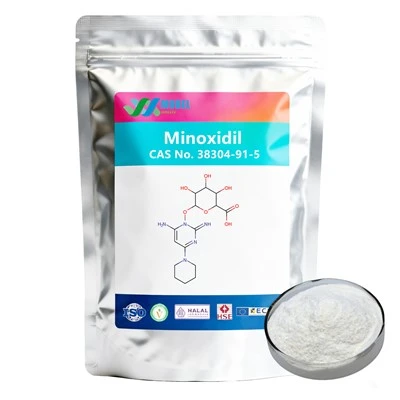
If a customer is interested in a hair growth peptide product that may require a prescription, I can provide guidance on the regulatory process and suggest working with a healthcare professional or obtaining the necessary approvals.
Contact for Procurement
Peptide for Gray Hair If you are a retailer, distributor, or interested in purchasing hair growth peptide products for your business or personal use, I encourage you to reach out. We offer a wide range of high – quality hair growth peptide products that are safe and effective. Whether you are looking for non – prescription cosmetics or exploring options for prescription – based products, our team can provide you with the information and support you need. Contact us to start a conversation about your hair growth peptide needs.
References
- "Peptides and Skin: Physiology and Cosmetic Applications" by Anna Maria Belincontro et al.
- "Hair Growth and the Pilosebaceous Unit" from the Journal of Cutaneous and Aesthetic Surgery
- U.S. Food and Drug Administration regulations on drugs, cosmetics, and dietary supplements
- European Union Cosmetic Products Regulation
Mobel Biomaterials Technology Co., Ltd.
As one of the most professional hair growth peptide manufacturers and suppliers in China, we have world-leading production equipment and strong manufacturing capabilities. Please rest assured to buy bulk high quality hair growth peptide made in China here from our factory. For more cheap products, contact us now.
Address: 25 No.Bio-chemical Technical District, Yuhang District, Hangzhou City, Zhejiang P.R China 310001
E-mail: service@mobelbiochem.com
WebSite: https://www.mobelbiochem.com/
