Hey there! I’m a supplier of warping machines for industrial fabric. You know, I often get asked all sorts of questions about what our machines can and can’t do. One question that’s been popping up a lot lately is: Can a warping machine for industrial fabric be used for producing conductive fabrics? Well, let’s dive right into it and find out. Warping Machine For Industrial Fabric
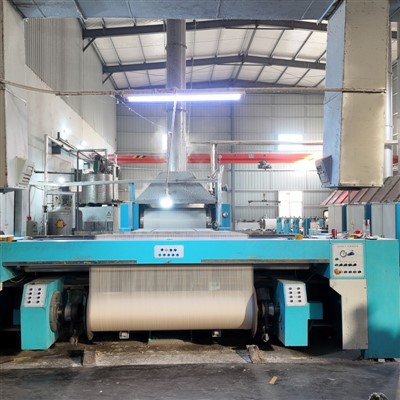
First off, let me give you a quick rundown on what a warping machine for industrial fabric does. It’s basically a piece of equipment used to prepare the warp yarns before they’re woven into fabric. The warp yarns run lengthwise in the fabric, and getting them set up properly is crucial for a good-quality weave. Our warping machines are designed to handle all kinds of industrial yarns, like polyester, nylon, and cotton. They can wind these yarns onto a beam in an organized way, making the weaving process a whole lot smoother.
Now, let’s talk about conductive fabrics. These are fabrics that can conduct electricity, and they’re becoming more and more popular in a bunch of different industries. You’ll find them in things like smart clothing, which can monitor your heart rate or other vital signs. They’re also used in electromagnetic shielding, to protect sensitive electronic equipment from interference. Conductive fabrics are usually made by incorporating conductive materials, like metal fibers or conductive polymers, into the fabric structure.
So, can our warping machines work with these conductive materials? The short answer is, in many cases, yes! Our machines are pretty versatile. They can handle different types of yarns, and that includes yarns with conductive properties. For example, if you’re using metal – fiber – blended yarns, our warping machine can wind them onto the beam just like it would with regular industrial yarns. The key is to make sure that the tension settings are adjusted correctly. Conductive yarns can sometimes be a bit more delicate than regular yarns, especially if they have a high proportion of metal fibers. So, we need to be careful not to put too much stress on them during the warping process.
Another thing to consider is the size and shape of the conductive yarns. Some conductive polymers might be in the form of thin filaments, while metal fibers could be in different gauges. Our warping machines can be adjusted to accommodate different yarn diameters. We can change the guides and the winding speed to make sure that the conductive yarns are wound evenly and without kinks or snags.
But it’s not all smooth sailing. There are a few challenges that we might face when using our warping machines for conductive fabrics. One big issue is the potential for electrical interference. Conductive materials can sometimes pick up electrical signals from the environment or from the machine itself. This can cause problems with the winding process, like uneven tension or even yarn breakage. To tackle this, we’re working on developing special shielding features for our machines. These shields can help reduce the impact of electrical interference and keep the warping process running smoothly.
There’s also the matter of cleaning and maintenance. Conductive yarns can leave behind residues that are different from those left by regular industrial yarns. Metal fibers, for example, might produce small particles that could clog up the machine if not cleaned properly. We recommend a regular maintenance schedule that includes thorough cleaning of all the parts that come in contact with the conductive yarns. This will help extend the life of the machine and ensure consistent performance.
Now, let’s look at the benefits of using our warping machines for conductive fabric production. First of all, it’s cost – effective. Instead of investing in a whole new set of equipment specifically designed for conductive fabrics, you can use our existing machines with some minor adjustments. This can save you a lot of money, especially if you’re just starting out in the conductive fabric business.
Secondly, our machines are known for their high – quality output. We’ve been in the industrial fabric warping business for a long time, and we’ve fine – tuned our machines to produce consistent, high – quality warps. When you use our machines for conductive fabric production, you can expect the same level of quality. This means that your conductive fabrics will have a more uniform structure, which can improve their electrical conductivity and overall performance.
In terms of production efficiency, our warping machines are pretty hard to beat. They can wind a large number of yarns onto the beam in a relatively short time. This means that you can increase your production capacity and meet the growing demand for conductive fabrics in the market.
So, if you’re in the business of producing conductive fabrics or thinking about getting into it, our warping machines for industrial fabric could be a great option for you. We’re always here to help you make the necessary adjustments and ensure that the machine works perfectly for your specific needs. Whether you’re using metal – fiber yarns or conductive polymers, we’ve got the expertise to get the job done right.
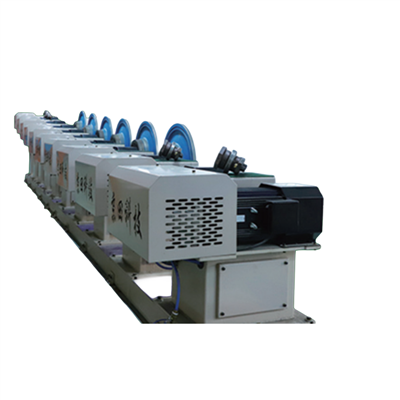
If you’re interested in learning more about how our warping machines can be used for producing conductive fabrics, or if you want to discuss a potential purchase, don’t hesitate to reach out. We’d love to have a chat with you and see how we can help you with your conductive fabric production goals.
Sizing Machine References:
- Textile Machinery Handbook: Covers general information on warping machines and their operation.
- Journal of Conductive Materials in Textiles: Provides research on the properties of conductive yarns and fabrics.
- Industry reports on smart textiles and electromagnetic shielding applications.
Jiangsu Huanqiu Jingtian Machinery Co., Ltd.
Address: No.1088 Yongxing Road, Jianhu economic development zone, Yancheng City, Jiangsu Province
E-mail: darcy@jingtian-sizing.com
WebSite: https://www.cnhqjtjx.com/
